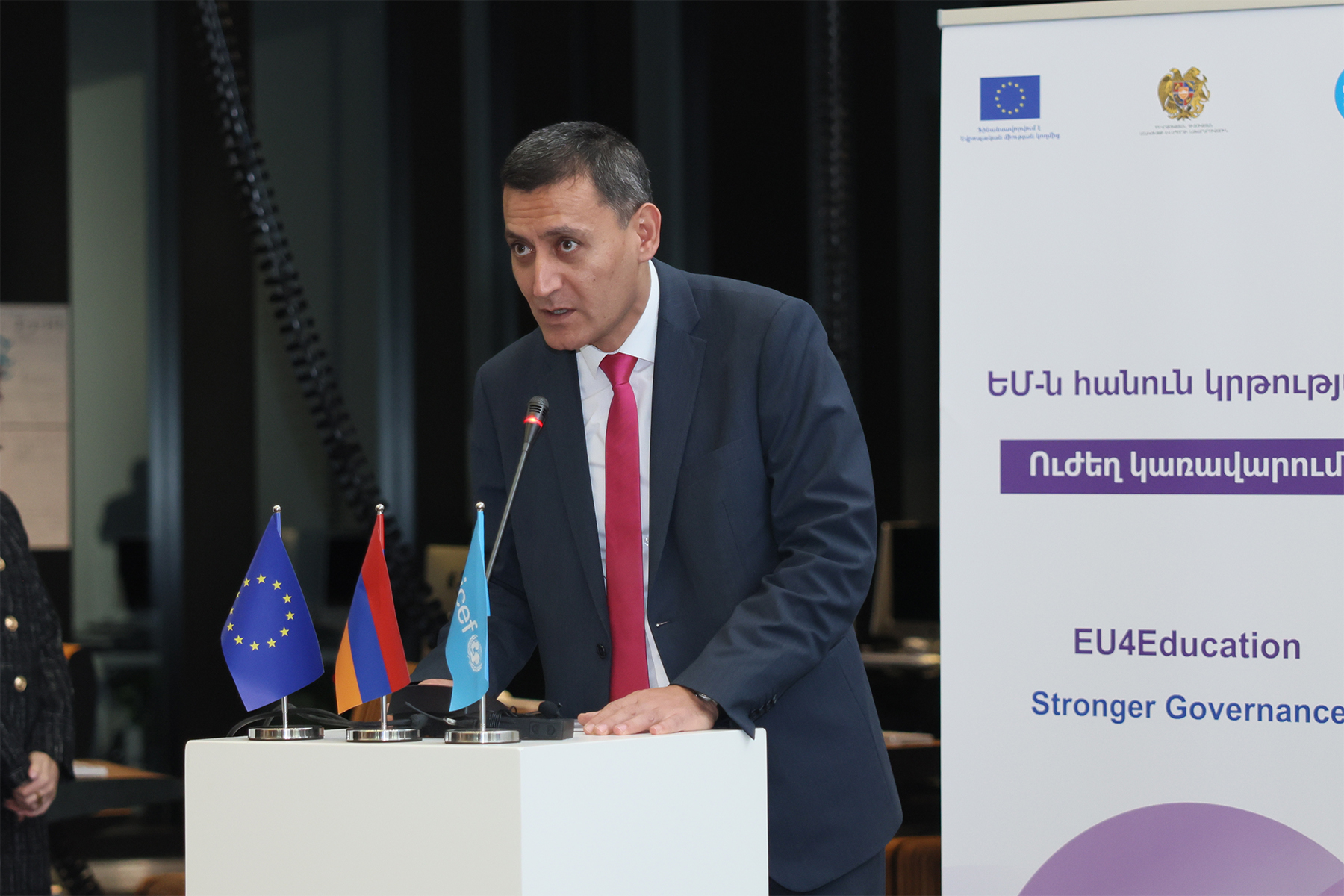
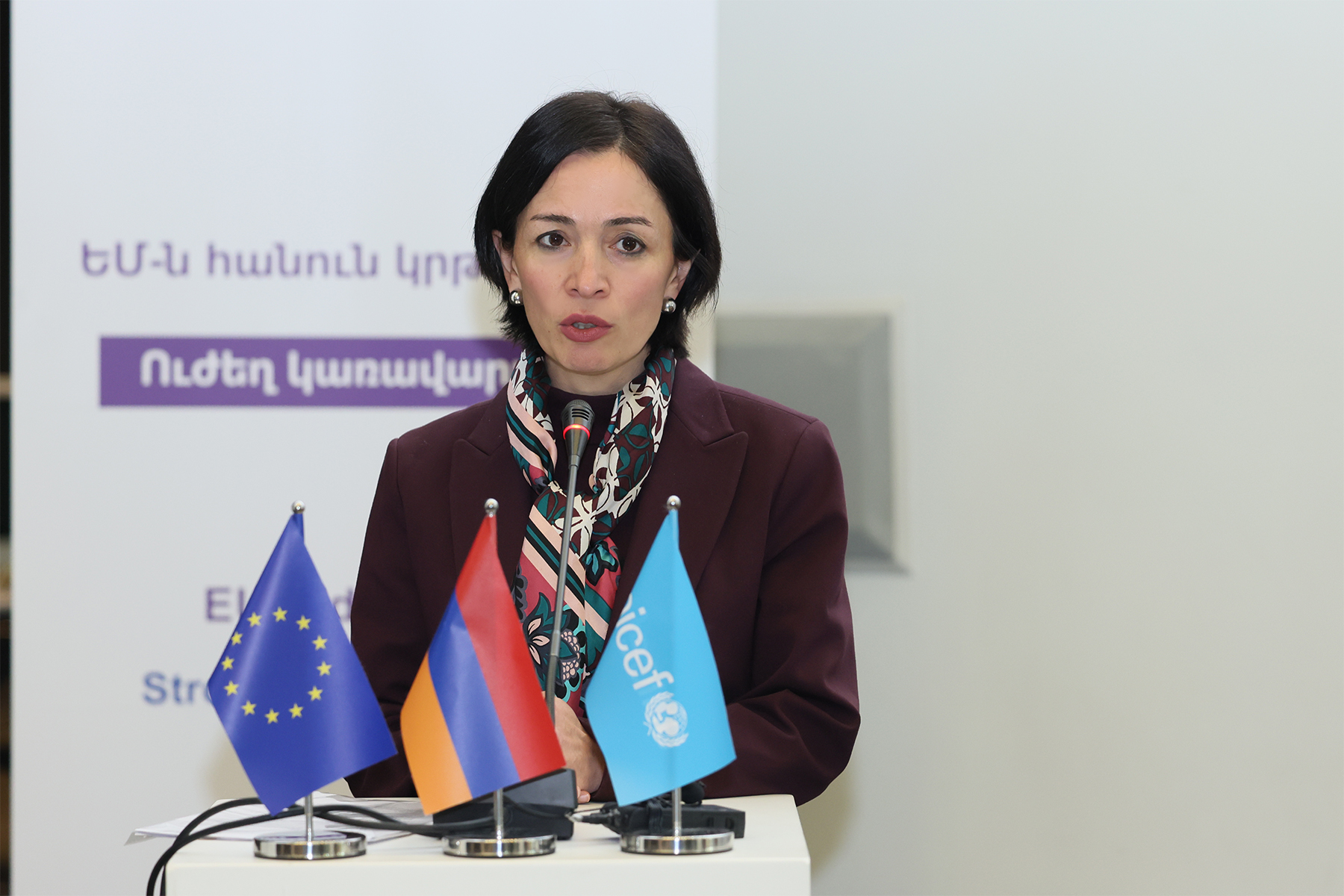
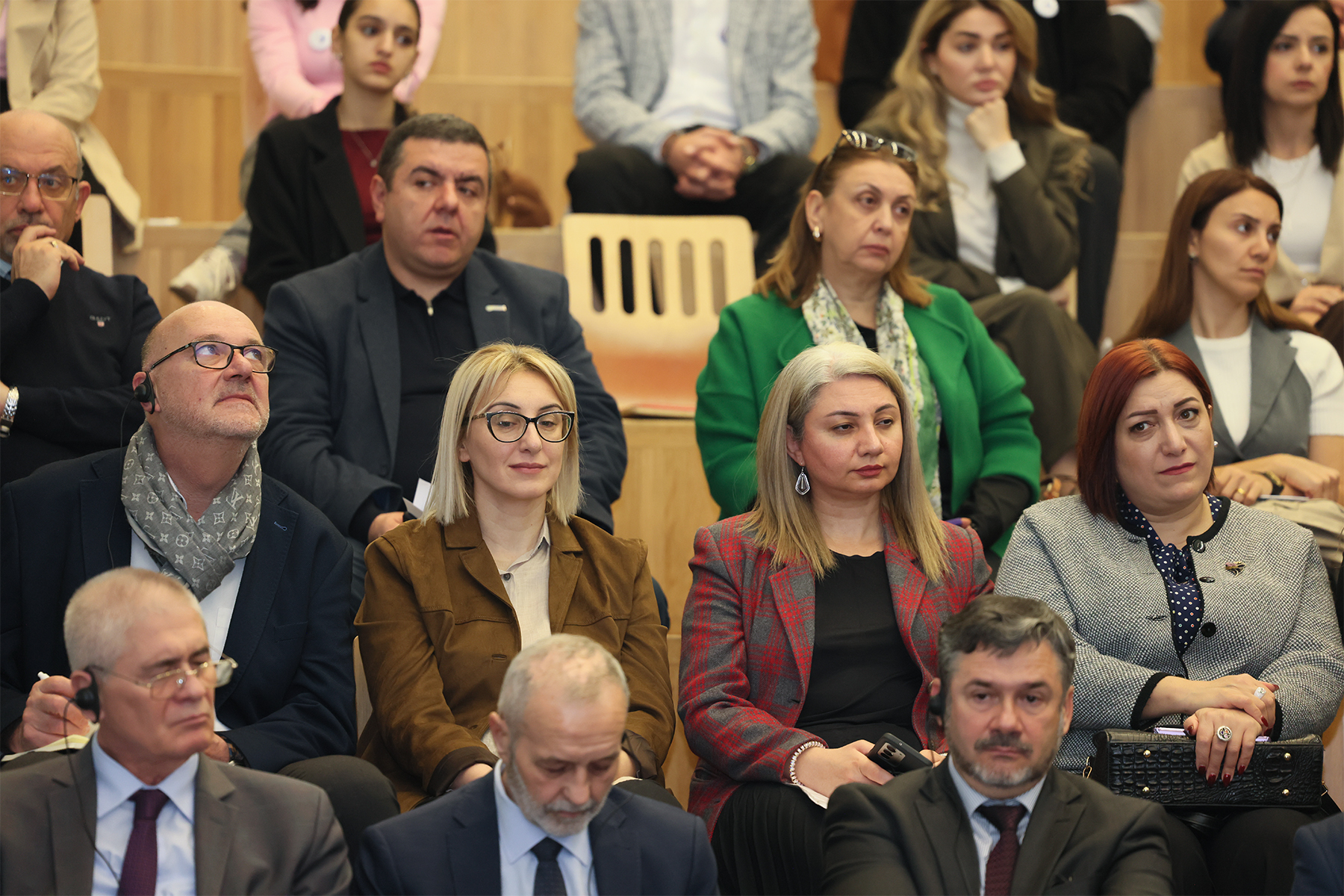
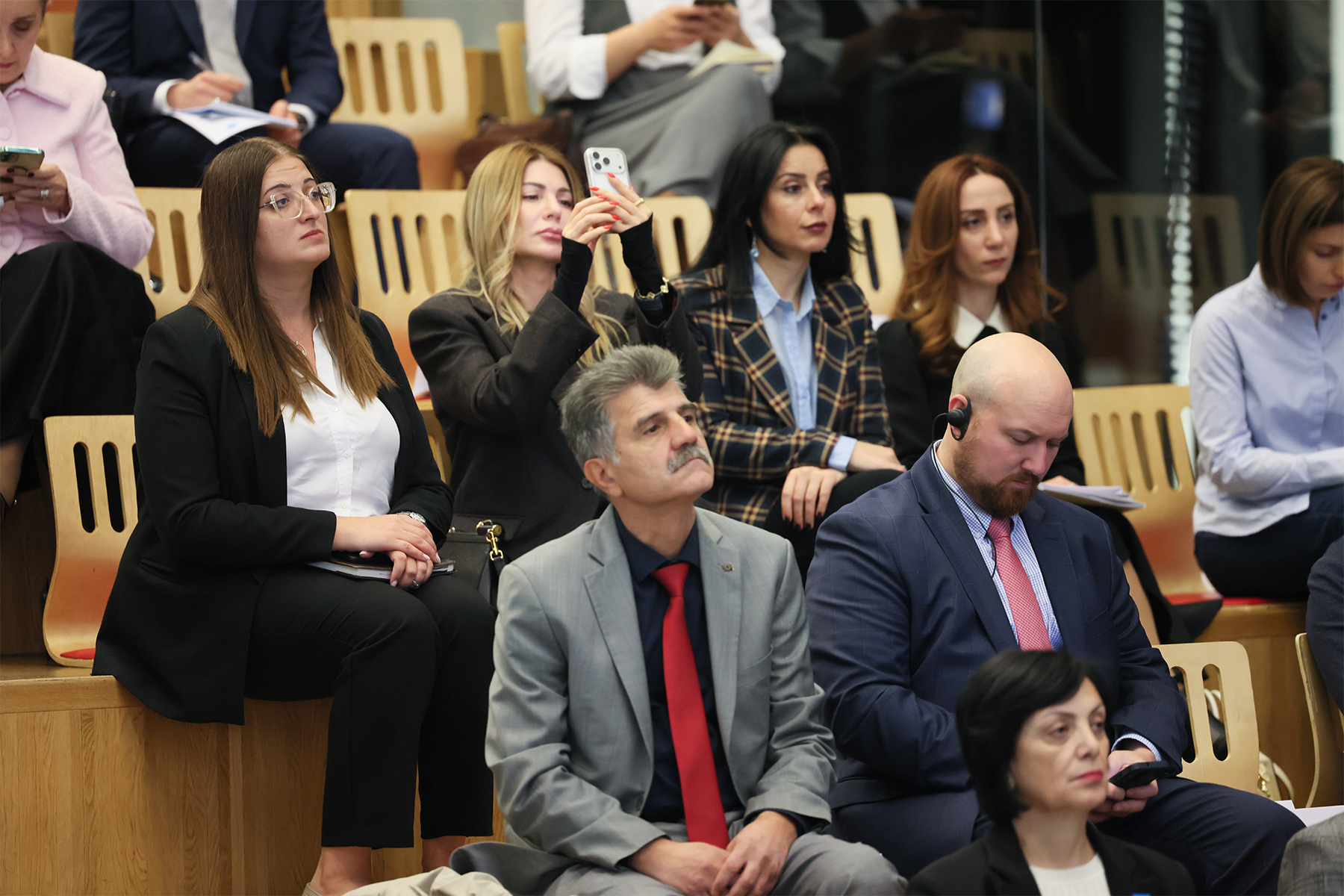
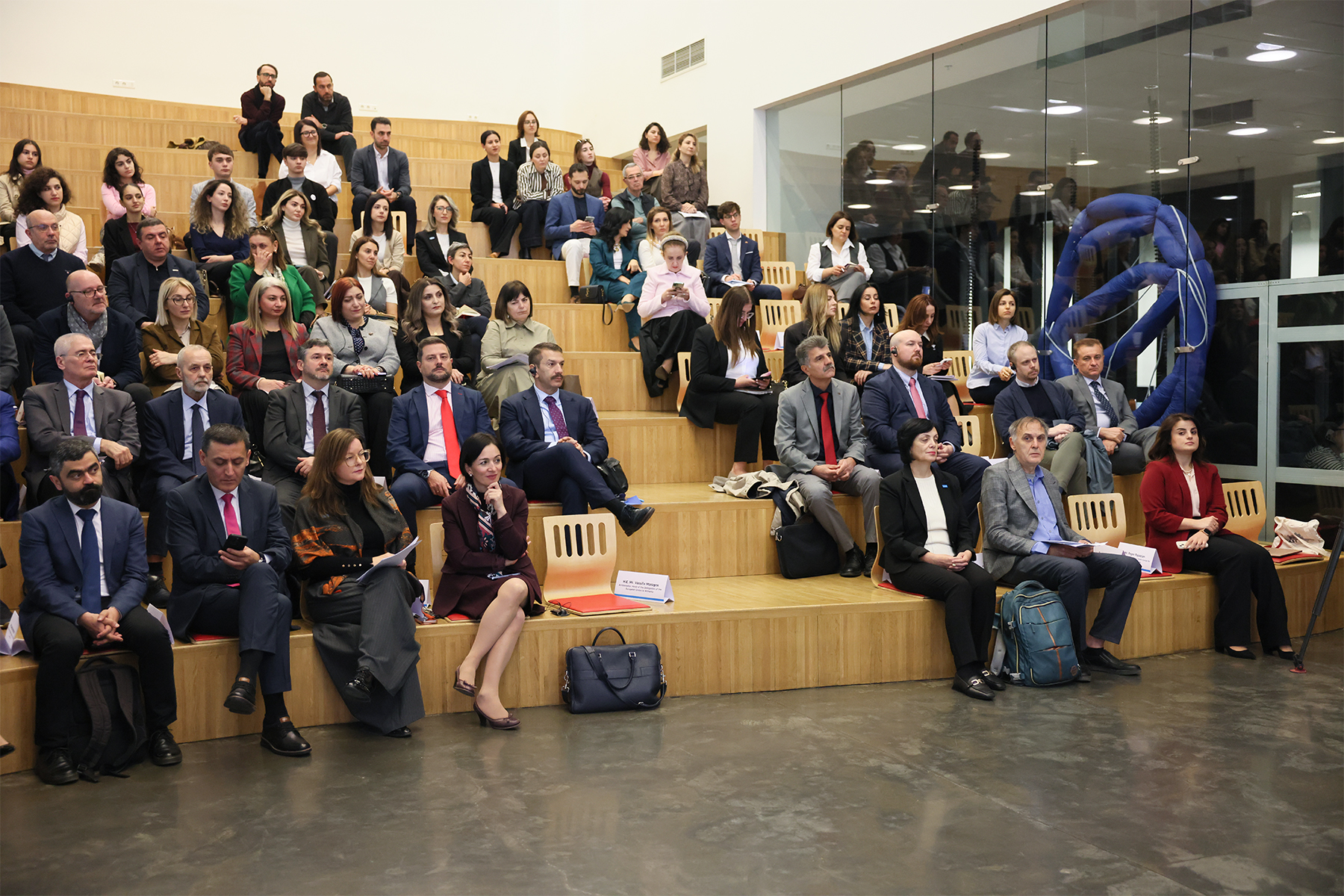
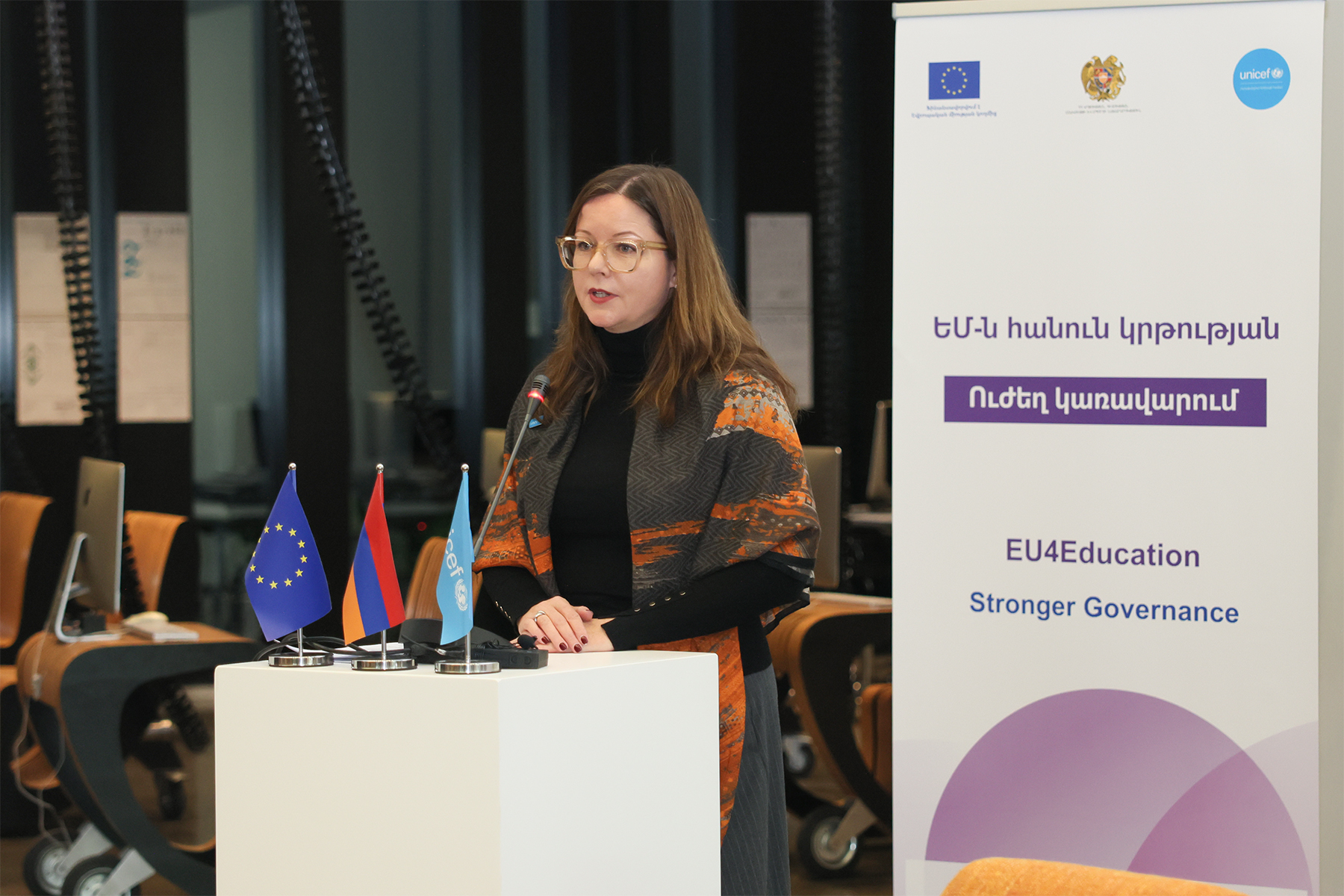
The “Armenia-EU Education Dialogue” meeting was held today at the TUMO Centre within the framework of the policy dialogue platform on educational reforms in Armenia between the ESCS Ministry, the European Union in Armenia, and UNICEF.
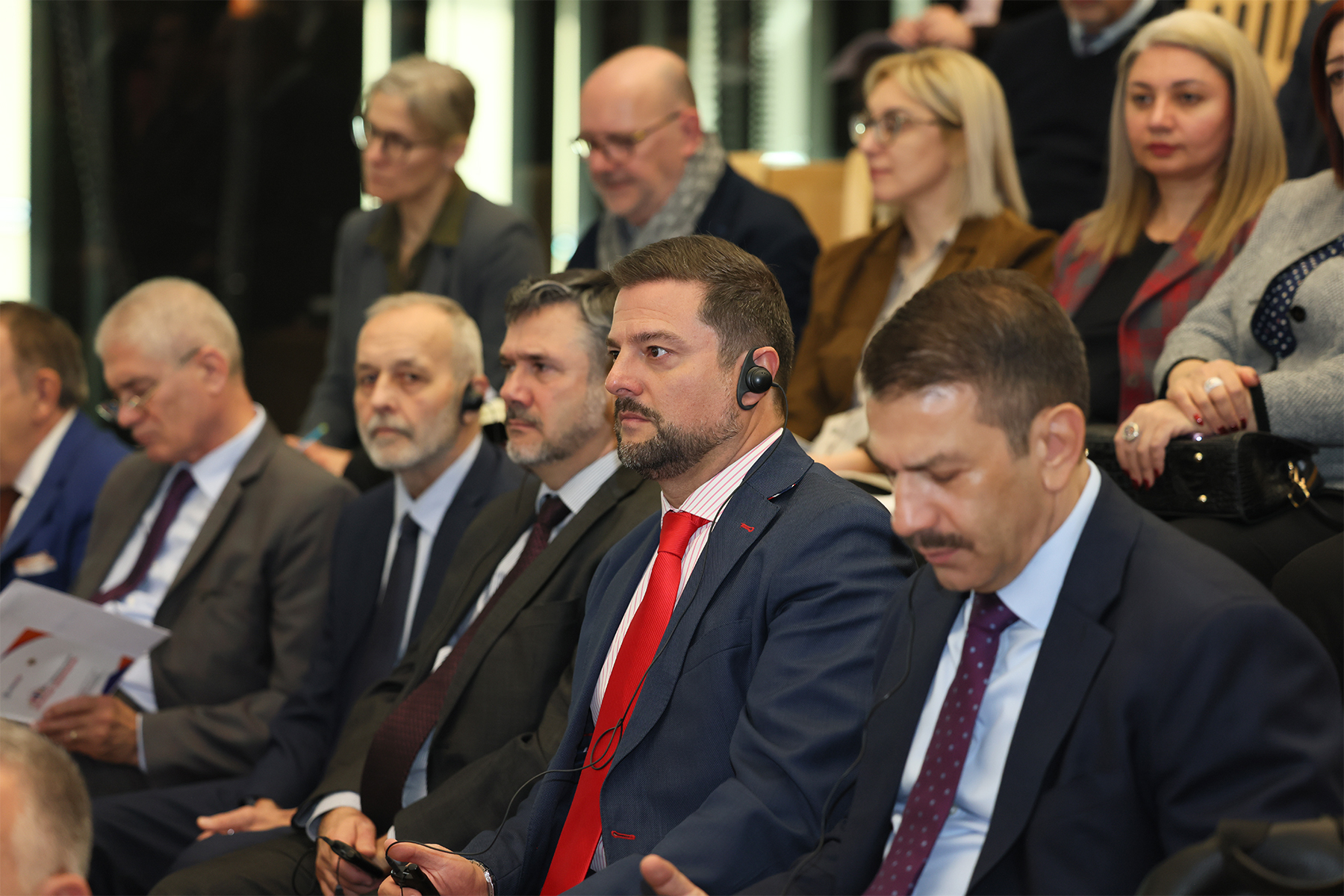
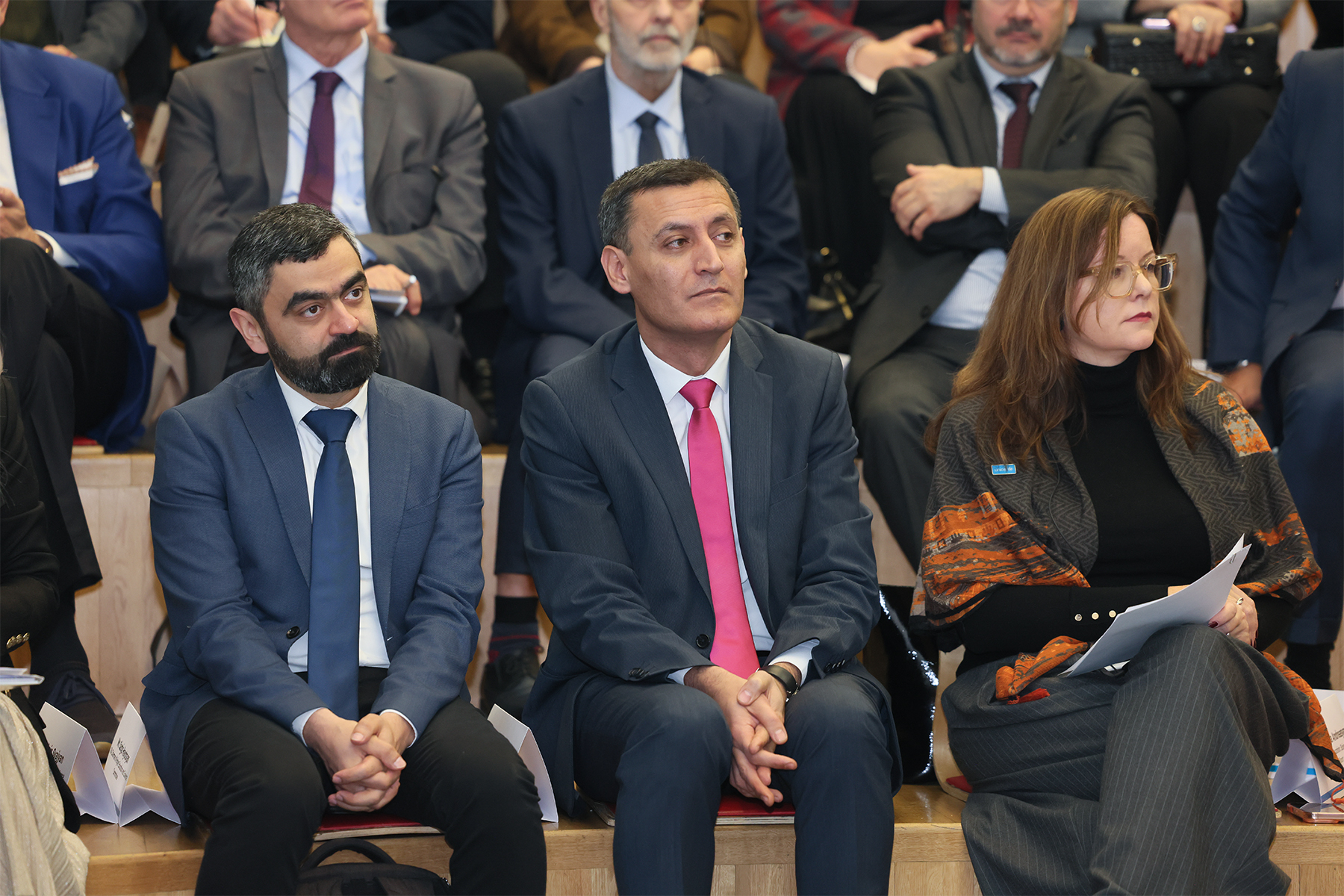
ESCS Minister Zhanna Andreasyan, Head of the European Delegation to the Republic of Armenia, Ambassador Vassilis Maragos, UNICEF Representative in Armenia Christine Weigand, ESCS Deputy Ministers Arthur Martirosyan and Araksia Svajyan, Chairman of the MoESCS Higher Education and Science Committee Sargis Hayotsyan, as well as ambassadors accredited to the Republic of Armenia, representatives of international organizations and various educational institutions attended the event.
The reforms in the education system, existing challenges and development opportunities, as well as the key directions of Armenia-EU cooperation in the field of education were discussed during the meeting.
Welcoming the attendees, ESCS Minister Zhanna Andreasyan stated that such gatherings have become an essential platform for dialogue, providing an opportunity to get together at least twice a year, discuss and assess the process and outcomes of bilateral cooperation in the field of education.
“We can definitely state that Armenia–EU cooperation in the field of education is exemplary. Numerous reforms implemented in recent years have already provided tangible results. The reform of introducing general education standards is one of the key initiatives made possible through joint efforts. Its logical continuation is the current budget support program, which pursues the same goal — to strengthen the concepts of the new general education standard and ensure equal opportunities for high-quality education for all children,” the Minister noted.
She also extended her gratitude to UNICEF for the support and coordination of processes throughout the implementation of the education strategy: “This is excellent teamwork, providing us with the opportunity to jointly discuss current initiatives, exchange experiences and see the real outcomes of the programs. The strategy for education is one of the most essential documents of our country: we can definitely state that education development is the strategy of our state in every sector. This is a huge commitment and responsibility, since education enables us to address numerous challenges in public and economic development. The primary way to achieve this goal is the development of human capital, which provides a competitive resource to address challenges and solve issues. This approach will enable us to record new indicators for public advancement through the development of human capital.”
The Minister also touched upon the adoption of the new Law “On Higher Education and Science”, as well as the Science Development Strategy, which is currently under public discussion. She also congratulated the scientific community on International Science Day: “At this stage, when science and higher education are viewed as an integrated unity, they have become key directions on the state agenda.”
In turn, Head of the EU Delegation to Armenia, Ambassador Vassilis Maragos emphasized that the development of education and human capital is one of the key priorities of cooperation with Armenia. “It is vital for the country's stability to invest in skills, capacity building, and strengthening civic education. Education is also a key tool for strengthening democracy,” said the Ambassador, adding that the dissemination of democratic values and the strengthening of institutional sustainability are among the pillars of EU-Armenia cooperation.
Vassilis Maragos also touched upon the events of Media Literacy Week, informing that programs are being implemented in various regions of the country to advance media literacy and information skills.
“Evaluating and summarizing the progress of educational reforms are key stages of our cooperation. Armenia-EU relations are developing in a dynamic weekly mode,” noted the Ambassador.
UNICEF Representative in Armenia, Christine Weigand, also greeted the attendees, highlighting that this meeting is part of a series of high-level political dialogues, which provide an opportunity to discuss the progress of educational reforms and sectoral initiatives.
“Armenia will reach the midpoint in the implementation of its State Education Development Program: UNICEF continues to stand by the Ministry. Throughout the implementation of the program, technical assistance was provided in a range of areas, including teacher professional development, school management reform, strategic planning, budgeting, monitoring, and youth engagement, etc. This is a massive undertaking, yet a valuable learning experience for all of us,” Weigand noted.
As part of the regular meeting of the “Armenia-EU Education Dialogue”, ESCS Deputy Ministers Arthur Martirosyan and Araksia Svajyan, as well as Chairman of the Higher Education and Science Committee Sargis Hayotsyan, participated in a panel discussion on the implementation of the RA Education Development State Program until 2030. Next, the progress and further steps in the implementation of EU budget support were presented, as well as the Rapid Identification of the RA Education System (RED), TUMO programs, and the “GENERATION AI” program.